
A Casting Brief Needs the Performance, Not Just the Look
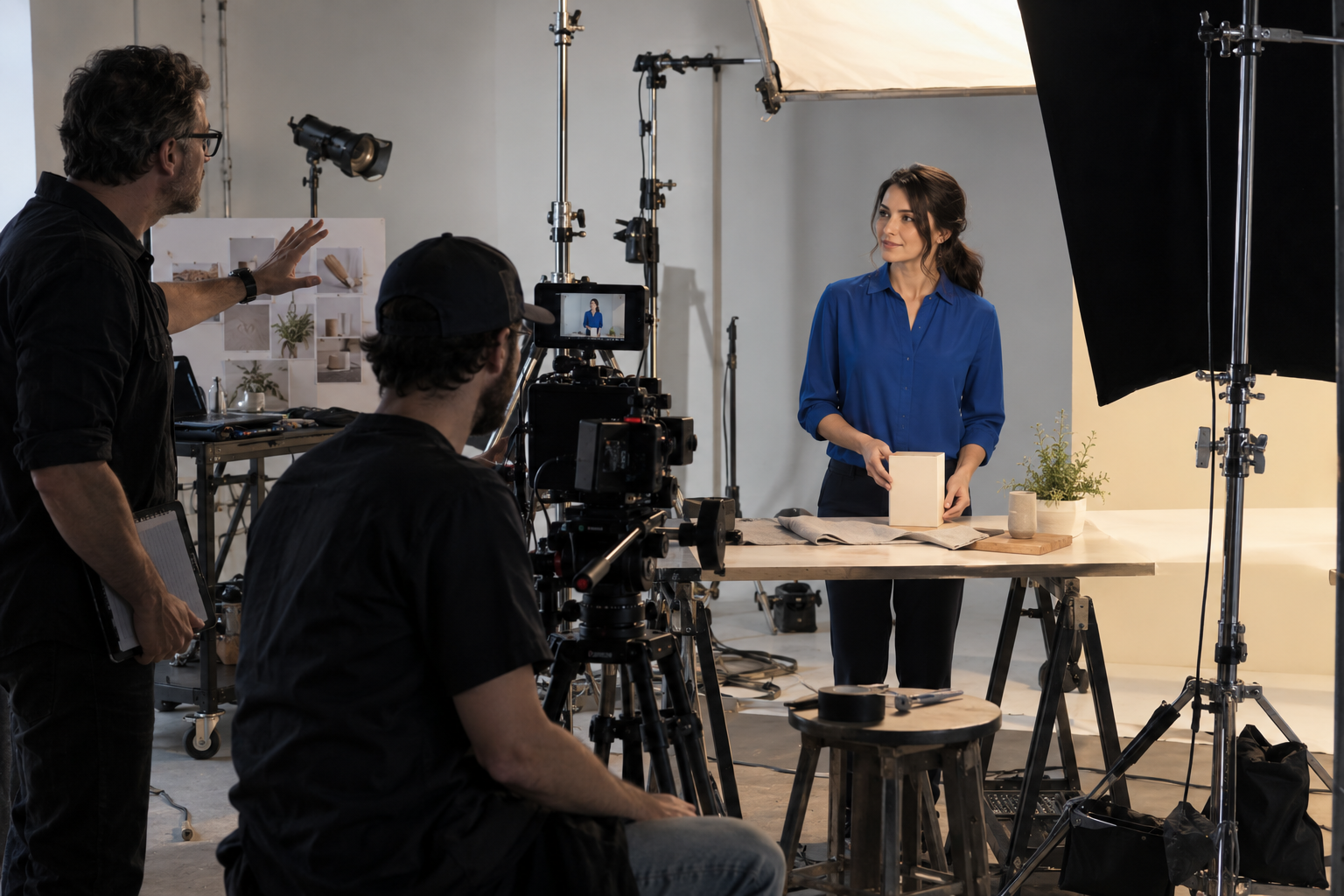
A shortlist can look right and still leave the most important casting question unanswered: can this person do what the commercial needs on screen?
The problem often starts earlier than the audition. A brief describes the look, names a mood and attaches a reference image, but says little about the performance. “Approachable,” “confident” or “premium” may describe the intended impression. They do not explain whether the talent needs to deliver dialogue, react to someone off camera, handle a product or repeat a movement while the camera changes position.
For a producer or brand booking commercial talent in Las Vegas, that distinction is useful before reviewing faces. Describe what the audience will see the person do, then decide what material would help you judge it.
Start with the action the audience will see
Imagine a fictional tabletop commercial. An adult performer places a package on a counter, hears an off-camera question and gives a small, amused reaction. The shot ends on the product. There is no spoken line, but the role is not simply a still pose.
The performer has to make the action feel unforced, keep the package where the frame needs it and let the reaction register without making it larger than the scene. A beautiful portrait cannot show you all of that. Nor does a label such as “lifestyle model” settle whether a particular person fits the action.
Now change the concept. The same person looks into the lens and explains the product in two sentences. That creates another question: what should the voice, pace and delivery feel like? The desired appearance may stay the same while the evidence needed for casting changes.
These are hypothetical creative choices, not examples of In Color Talent client work. Their value is in making the brief more concrete. “Places the package, reacts to a question and holds the expression” gives a casting conversation more to work with than “natural and engaging.”
Choose material that answers the performance question
Photographs remain useful for considering appearance and the visual direction of a campaign. When the role involves movement or speech, ask what additional material would help you evaluate those requirements.
In casting director Terry Berland’s discussion of commercial submissions, she explains how video can reveal voice, movement and personality beyond a photograph. She also stresses the usefulness of role-relevant notes and clearly described skills. That is an attributable casting perspective, rather than a promise that every project requires the same audition process.
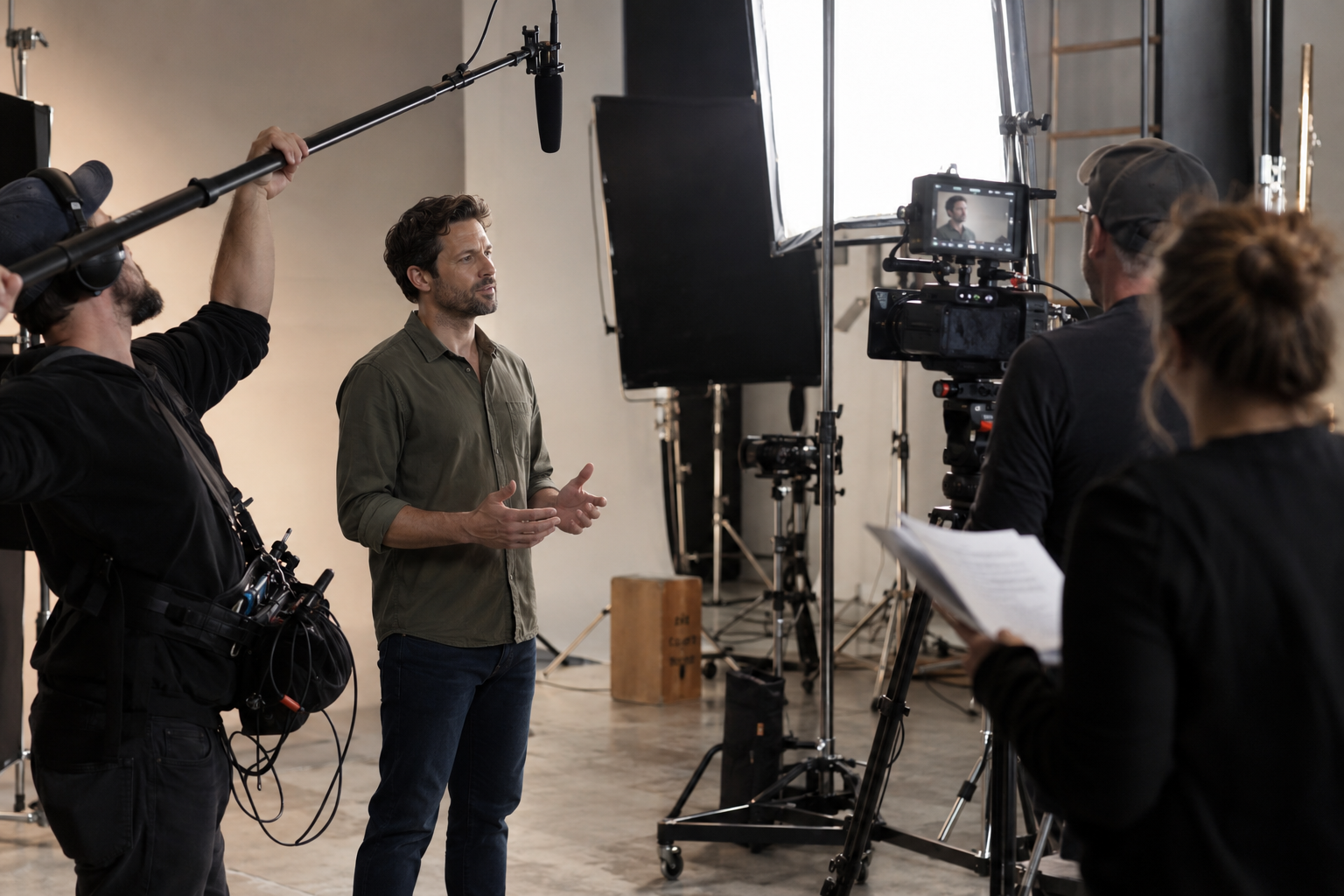
For the fictional tabletop scene, footage showing a similar scale of performance could be relevant. For a spoken role, listening to delivery matters. If the concept depends on a particular skill, describe the actual action and ask what demonstrates it; a broad skill label may leave important details open.
Keep the request proportionate to the role and agree any further audition requirements with the casting team. The purpose is to answer a decision, not to collect a larger folder of material simply because more can be requested.
Turn tone words into a shared creative intention
Tone words are useful starting points. The problem is assuming that everyone imagines the same performance when they read them.
“Confident” could mean a calm, direct explanation. It could mean an energetic introduction, or a small reaction from someone who already understands the situation. Those choices may call for different delivery even when the wardrobe, age portrayal and location remain unchanged.
Instead of adding more adjectives, describe the relationship in the scene. Who is the person addressing? What has just happened? What do they want the other person—or the viewer—to understand? If there is a reference, explain which quality matters. The reference may be about restraint, timing or warmth rather than copying another performer.
This also helps separate what is essential from what remains open. A spoken role may need a specific language capability. A product demonstration may need a particular physical action. Other preferences might be explored through the shortlist. State the distinction rather than making every early preference sound fixed.
Consider the whole shoot, not one attractive frame
The approved concept should guide casting beyond the hero image. A campaign might combine still photography, short moving-image moments and a spoken introduction. Make that combination visible before everyone assumes the booking concerns only one of them.
In the tabletop example, the action may need to be repeated for another camera position. That does not turn the casting brief into a shot list, but it gives context to the performance. Mention meaningful movement or product handling instead of leaving it to emerge on set.

Likewise, a shortlist review is easier to discuss when the team agrees what it is judging. Appearance, delivery and the role’s practical demands are related, but they are different questions. A person can fit the visual direction while the team still needs relevant material before deciding about the performance.
Why this matters for Las Vegas talent bookings
For a Las Vegas shoot, make the Nevada talent search serve the performance brief. In the fictional tabletop example, a locally based actor or model still needs to be considered for the product handling, reaction or dialogue the scene requires. A Las Vegas location does not make a portrait sufficient evidence of those abilities. Ask for material that addresses the action, and keep the creative question clear when comparing a shortlist.
Put the Las Vegas shoot location, proposed dates and expected work in the first enquiry. If the concept combines a filmed commercial with an in-person brand interaction, describe both: a performance for the lens and a conversation with guests are different tasks. Confirm each person’s availability and any travel arrangements rather than assuming that Nevada talent can attend a particular call. These are planning questions for the project, not claims about current roster availability.
You do not need a finished production document to start the conversation. Explain the project, what the talent will do, the intended output and the dates you know. Say which decisions remain open. Include any roster members already of interest without treating an enquiry as a confirmed booking.
You can contact In Color Talent with those details. Its enquiry form includes a message field for talent preferences and an optional date field, so a concise description of the role can accompany the initial request.
A useful commercial casting brief gives the team a performance to consider, not just an appearance to match. That makes each next question more specific: what do we know about this person’s fit, and what do we still need to see?
AI-generated images illustrate fictional commercial-production scenarios; they do not depict In Color Talent roster members or actual client work.